Plant Connections to the Gullah Geechee People and Traditions in Brunswick County, NC
Education is important to us as Master Gardener volunteers! It’s a central theme to everything we do. Generally, our education efforts are about the plants. Drawing on the expert research conducted at NC State University and A&T University, our focus is on selecting and growing plant material that is suitable for your location. We place a special emphasis on native plants that support pollinators – butterflies, bees, wasps, and birds to name a few – that are essential for a sustainable future. Native plants have evolved naturally in North Carolina without human help, forming complex relationships with local wildlife. They provide specific food (berries, nuts) and shelter for native insects, birds, and mammals. Native plants are well-adapted to local soil/climate, requiring less water/fertilizer once established.
“Your location” took on an additional meaning for us this year in Brunswick County. As we celebrate America’s 250th birthday, we at BCEMGVA are connecting the plants to the history. In Brunswick County, that means connecting to the plants and people of colonial Brunswick, and the Gullah Geechee people are an integral part of our history. Brunswick County is the northern gateway to the Gullah Geechee culture in the southeastern United States.
This year our Spring Online Plant Sale is a themed sale – “Celebrating Our Colonial Roots”. We have researched and will be offering for sale plants that folks in colonial era Brunswick County would have found here and used, as well as those grown from seed brought to our region from countries across the globe including the Gullah Geechee people. The Gullah people have created a resilient culture by blending African knowledge with New World resources.
The Gullah Geechee people and culture are firmly planted in Brunswick County. The Gullah Geechee maintain a rich botanical knowledge, adapting African traditions to our coastal landscape and incorporating cultural wisdom. While a good deal of attention has been given to the importance of rice to our region during the 1700’s and 1800’s, we are choosing to focus on other plants which were part of the Gullah culture and continue today into foodways. Featured below are being grown for the Spring Sale.
Sustenance and Staple Crops
Traditional food crops included rice, watermelon, sweet potatoes, red peas, okra, peanuts, sugar cane, butter beans, and greens.¹ Sustenance and staple crops featured in our sale include:
Abelmoschus esculentus (Sea Island Red Okra): A fundamental staple in the Gullah Geechee diet, okra was brought to the Americas on slave ships and became central to Gullah foodways. It was prized for its thickening properties in soups and stews like gumbo but also used medicinally; enslaved people ate it stewed with chicken broth as a remedy for chills.
Vitis rotundifolia (Muscadine Grapes): Known locally as muscadines or scuppernongs, these native grapes have long been part of the Gullah Geechee diet. They were used to make jellies and preserves.
Sambucus canadensis (American Elderberry): Gullah people used elderberry for various ailments. Infusions of the berries, leaves, or roots were used to treat sores (a common issue for agricultural workers), fevers, and coughs.
Culinary and Functional Herbs
Herbs like sage, mint, garlic and thyme were used for seafood boils and one pot traditional Gullah cooking.
Medicine and Craft
Yucca filamentosa (Adam's Needle Yucca): The Gullah Geechee people utilized the tough, fibrous leaves of the native yucca for practical crafts, primarily for weaving strong nets and baskets. The roots contain saponins and were also used as a type of soap.
Muhlenbergia capillaris (Muhly Grass): This landscape plant is a close relative to Sweetgrass (Muhlenbergia sericea) used for basketmaking.³
Culture and Beliefs
Hibiscus syriacus (Rose of Sharon): The Rose of Sharon (a type of hibiscus) holds significance for the Gullah Geechee and other coastal Southeastern communities as a symbol of resilience, faith, and beauty, often representing endurance in challenging environments. As a hardy perennial native to or thriving in the region, it symbolizes the strength to survive and flourish despite adversity. A member of the mallow — or Malvaceae — family, the large-flowered hibiscus is a kissing cousin of two of the South’s most iconic plants: cotton and okra.
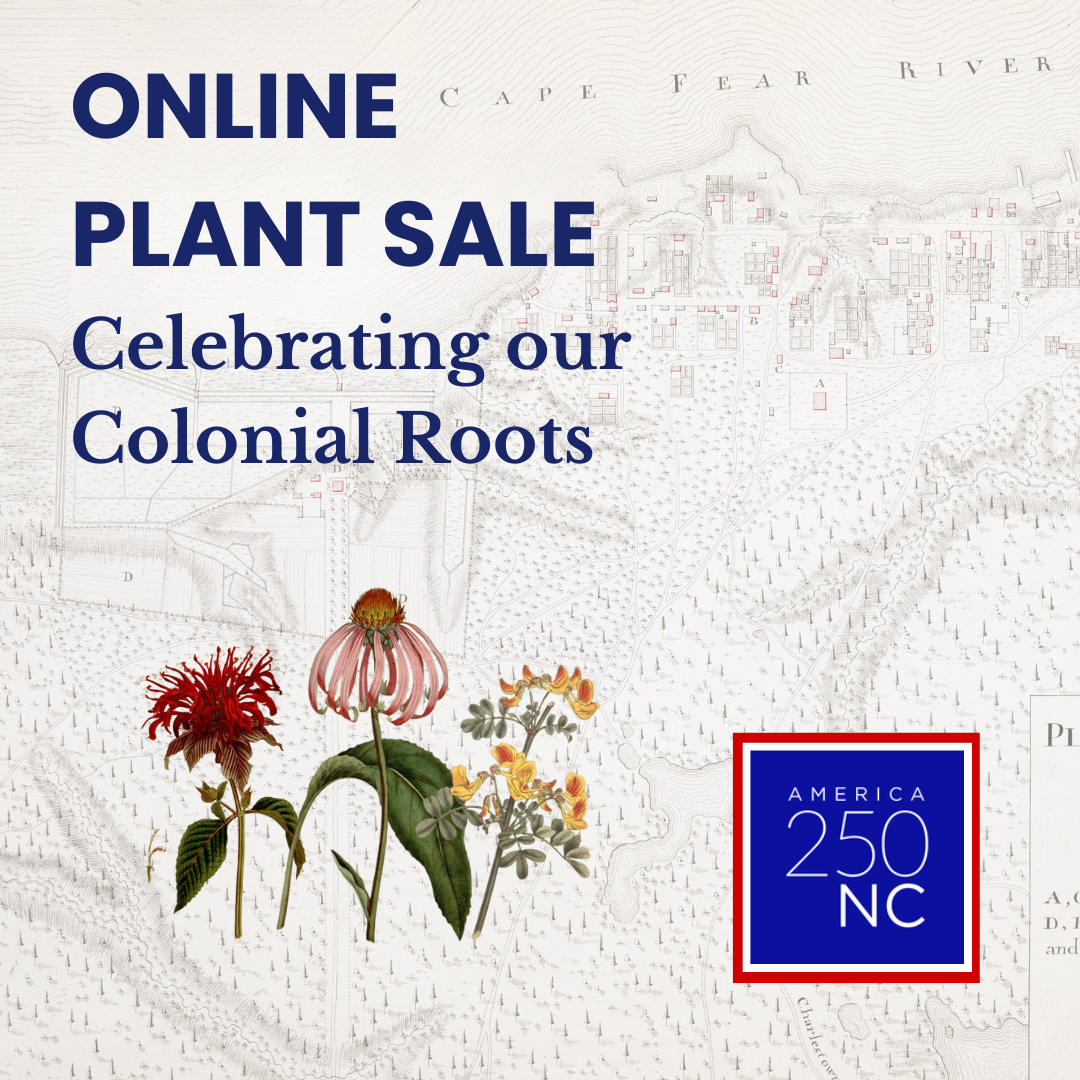
Please join us for our 2026 Spring Online Plant Sale to view and purchase these plants and many others suitable for growing in this region. Sale runs April 17-24th with pickup on May 1st.
Sources:
1 Campbell, Emory. Gullah Food and Culture. The Gullah Farmers Cooperative Association (2006), Retrieved at https://gullahfarmers.org/gullah-food-culture/
2 Krak Teet, 10 Healing Plants and Herbs the Gullah Geechee Used Backintheday. (2020). Retrieved at https://www.krakteet.org/10-healing-plants-and-herbs-the-gullah-geechee-used-backintheday/
3 South Carolina Department of Natural Resources, State Wildlife Action Plan 2025, pg. 7-12. Retrieved at https://www.dnr.sc.gov/swap/pdf/2025swap/chapter7.pdf

NC State University is an equal opportunity institution