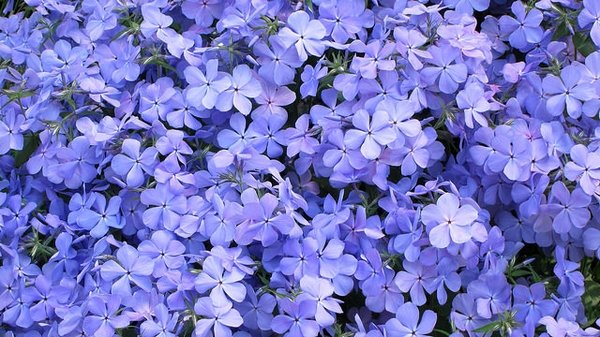
Blue Phlox or Woodland Phlox ~ Phlox Divaricata ‘Blue Moon’

$7.00
sold out

Pot Size:  2 quarts
Native Status:  Nativar

Description: Blue phlox is an herbaceous perennial wildflower commonly called woodland phlox. It forms mats of foliage growing 6 to 12 inches high.  Does best in partial to full shade in moist high organic material well-drained soils.  Rose, lavender or violet-blue fragrant flowers first mature in spring and continue into early summer.  Some uses in the garden include rock gardens, border fronts, wild gardens, native plant gardens or naturalized areas. The showy flowers attract pollinators making it an excellent addition to a butterfly bee garden.   It is also an effective, shallow-rooted cover for early spring bulbs. Cutting back stems after flowering helps combat mildew.

Light Exposure: Partial to Full Shade               Drought Tolerant:  Yes
Soil Moisture:  Medium - Dry                             Salt Tolerant:  No
Mature Height:  .5 – 1 ft                                      Deer Resistant: Yes
Mature Width:   1 – 1.5 ft                                                

Bloom Color/Bloom Time:   Typically blooms blue from May to June.

Historical Uses:  A tea made from the leaves was used to treat skin conditions like eczema. Roots were sometimes used as an eyewash.  It was prized for its fragrant, early spring flowers that symbolized love and sweet dreams. Phlox first documented in America 1732.

Wildlife Values:  It is an essential early-spring nectar source for pollinators like bees, butterflies, and hummingbirds. 

‍‍👉 For more information visit NC Extension Gardener Plant Toolbox

Pot Size:  2 quarts
Native Status:  Nativar

Description: Blue phlox is an herbaceous perennial wildflower commonly called woodland phlox. It forms mats of foliage growing 6 to 12 inches high.  Does best in partial to full shade in moist high organic material well-drained soils.  Rose, lavender or violet-blue fragrant flowers first mature in spring and continue into early summer.  Some uses in the garden include rock gardens, border fronts, wild gardens, native plant gardens or naturalized areas. The showy flowers attract pollinators making it an excellent addition to a butterfly bee garden.   It is also an effective, shallow-rooted cover for early spring bulbs. Cutting back stems after flowering helps combat mildew.

Light Exposure: Partial to Full Shade               Drought Tolerant:  Yes
Soil Moisture:  Medium - Dry                             Salt Tolerant:  No
Mature Height:  .5 – 1 ft                                      Deer Resistant: Yes
Mature Width:   1 – 1.5 ft                                                

Bloom Color/Bloom Time:   Typically blooms blue from May to June.

Historical Uses:  A tea made from the leaves was used to treat skin conditions like eczema. Roots were sometimes used as an eyewash.  It was prized for its fragrant, early spring flowers that symbolized love and sweet dreams. Phlox first documented in America 1732.

Wildlife Values:  It is an essential early-spring nectar source for pollinators like bees, butterflies, and hummingbirds. 

‍‍👉 For more information visit NC Extension Gardener Plant Toolbox

The information provided here is for educational and informational purposes only and is not intended as medical advice. Medicinal plants can have serious side effects and interactions with medications. Consult your healthcare provider before using any herbal remedies, as you are responsible for your own health decisions.


Photo Credits:

1 - Phlox divaricata Flower K M CC BY 4.0
2 - Phlox divaricata Flower Close-up (Corneille Bryan,NC) Marcia Boyle CC BY 4.0