
 Image 1 of 2
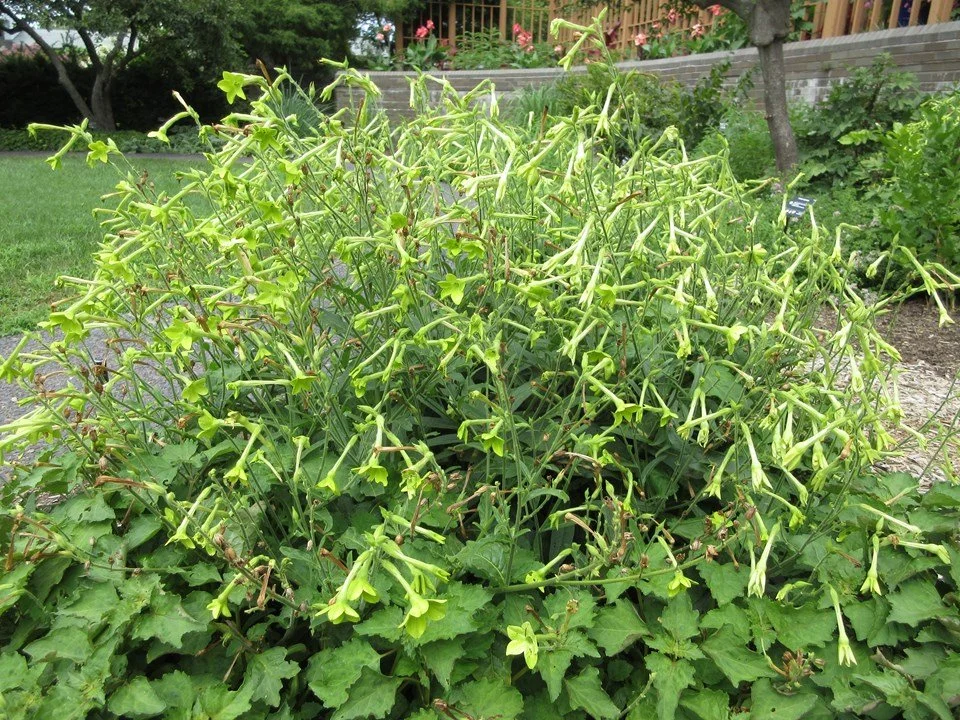 Image 2 of 2
Pot Size: 4 inch
Native Status: Non-Native
Description: Jasmine tobacco, specifically Nicotiana alata is an annual night-blooming plant with a deep, intoxicating aroma. It features fuzzy, sticky foliage and flower stalks decorated with clusters of blooms. Native to Argentina, this tender perennial (hardy to zone 10) is often grown as an annual. The plant will reach 3 to 5 ft. in height and produce cascades of beautiful white, sweet smelling, tubular flowers with star-shaped petals. The tubular flowers are specifically adapted to attract sphinx moths (pollinators) at night; a feature that has made them enduring favorites for wildlife-conscious gardeners. Best planted near windows or patios to enjoy the fragrance. Keep the plant dead-headed for continuous blooming from summer to frost. Be aware that all parts of the plant are toxic to humans and pets if consumed.
Light Exposure: Full Sun to Part Shade Drought Tolerant: No
Soil Moisture: Moist, but well drained Salt Tolerant: No
Mature Height: 3 – 5 ft. Deer Resistant: Yes
Mature Width: 1 – 2 ft.
Bloom Color/Bloom Time: White/Early Summer to first frost; individual flowers last one night
Historical Uses: For many indigenous communities, this plant is considered a sacred gift, representing a connection to the spiritual realm, resilience, and strength. Beyond smoking, it was used in folk remedies to treat wounds, skin irritations, and pain due to its perceived healing properties. This plant was considered highly fashionable in English gardens, favored for its sweet, jasmine-like fragrance that intensified in the evening, making it ideal for moonlit walks.
Wildlife Values: Birds, butterflies, moths
👉 For more information visit NC Extension Gardener Plant Toolbox
The information provided here is for educational and informational purposes only and is not intended as medical advice. Medicinal plants can have serious side effects and interactions with medications. Consult your healthcare provider before using any herbal remedies, as you are responsible for your own health decisions.
Photo Credits:
1 - Nicotiana alata. Scott Zona CC BY-NC 2.0
2 - Courtesy of Missouri Botanical Garden
Pot Size: 4 inch
Native Status: Non-Native
Description: Jasmine tobacco, specifically Nicotiana alata is an annual night-blooming plant with a deep, intoxicating aroma. It features fuzzy, sticky foliage and flower stalks decorated with clusters of blooms. Native to Argentina, this tender perennial (hardy to zone 10) is often grown as an annual. The plant will reach 3 to 5 ft. in height and produce cascades of beautiful white, sweet smelling, tubular flowers with star-shaped petals. The tubular flowers are specifically adapted to attract sphinx moths (pollinators) at night; a feature that has made them enduring favorites for wildlife-conscious gardeners. Best planted near windows or patios to enjoy the fragrance. Keep the plant dead-headed for continuous blooming from summer to frost. Be aware that all parts of the plant are toxic to humans and pets if consumed.
Light Exposure: Full Sun to Part Shade Drought Tolerant: No
Soil Moisture: Moist, but well drained Salt Tolerant: No
Mature Height: 3 – 5 ft. Deer Resistant: Yes
Mature Width: 1 – 2 ft.
Bloom Color/Bloom Time: White/Early Summer to first frost; individual flowers last one night
Historical Uses: For many indigenous communities, this plant is considered a sacred gift, representing a connection to the spiritual realm, resilience, and strength. Beyond smoking, it was used in folk remedies to treat wounds, skin irritations, and pain due to its perceived healing properties. This plant was considered highly fashionable in English gardens, favored for its sweet, jasmine-like fragrance that intensified in the evening, making it ideal for moonlit walks.
Wildlife Values: Birds, butterflies, moths
👉 For more information visit NC Extension Gardener Plant Toolbox
The information provided here is for educational and informational purposes only and is not intended as medical advice. Medicinal plants can have serious side effects and interactions with medications. Consult your healthcare provider before using any herbal remedies, as you are responsible for your own health decisions.
Photo Credits:
1 - Nicotiana alata. Scott Zona CC BY-NC 2.0
2 - Courtesy of Missouri Botanical Garden