
 Image 1 of 2
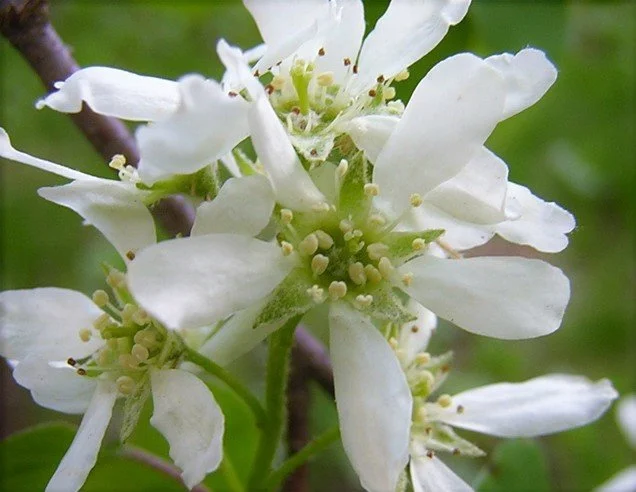 Image 2 of 2
Pot Size: 3 gallon
Native Status: Native
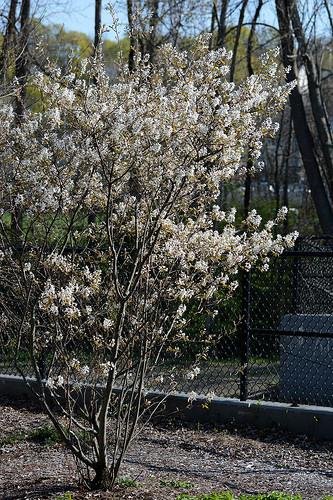
Description: This is a small, deciduous, usually multi-trunked understory tree or tall shrub which typically matures to 15-20’ tall. Flowers bloom in April followed by edible fruits (3/8" diameter) in June (hence the sometimes-used common name of Juneberry for Amelanchier). Berries resemble blueberries in taste and may be used in jams, jellies and pies and are highly attractive to birds. Finely toothed, oval-lanceolate leaves (to 3" long) emerge with bronze tints in spring, mature to dark green from late spring throughout summer before finally turning brilliant red to orange-red in fall.
Light Exposure: Full Sun – Part Shade Drought Tolerant: Moderately once established
Soil Moisture: Medium - Most Salt Tolerant: Yes
Mature Height: 15 – 25 ft Deer Resistant: Yes
Mature Width: 15 – 20 ft
Bloom Color/Bloom Time: Blooms with clusters of lightly fragrant, pure white, star-shaped flowers in early spring, typically from March to April.
Historical Uses: Tree has significant historical, cultural, and medicinal value to early European settlers. First documented 1804 in America. It was a vital, nutritious food source, a component of traditional medicine, and an ecological indicator for spring activities. The name "Serviceberry" originates from early settlers because the plant bloomed in early spring, signaling that the ground had thawed, allowing for burial services, or because they were used in church services. Edible berries are similar to blueberries and are used in jams, jellies and pies.
Wildlife Values: A crucial early-spring nectar source for bees and pollinators. It hosts over 100 species of butterflies and moths. Its June berries are a vital food source for over 40 bird species (robins, waxwings, cardinals) and mammals (bears, foxes, chipmunks). Tree is a Larval Host for caterpillars of the Viceroy, Red-Spotted Purple, and Tiger Swallowtail butterflies.
👉 For more information visit NC Extension Gardener Plant Toolbox
The information provided here is for educational and informational purposes only and is not intended as medical advice. Medicinal plants can have serious side effects and interactions with medications. Consult your healthcare provider before using any herbal remedies, as you are responsible for your own health decisions.
Photo Credits:
1 - flowering shrub Rachel James CC BY-NC-SA 2.0
2 - Close up of flower Borealis55 Public Domain Mark 1.0
Pot Size: 3 gallon
Native Status: Native
Description: This is a small, deciduous, usually multi-trunked understory tree or tall shrub which typically matures to 15-20’ tall. Flowers bloom in April followed by edible fruits (3/8" diameter) in June (hence the sometimes-used common name of Juneberry for Amelanchier). Berries resemble blueberries in taste and may be used in jams, jellies and pies and are highly attractive to birds. Finely toothed, oval-lanceolate leaves (to 3" long) emerge with bronze tints in spring, mature to dark green from late spring throughout summer before finally turning brilliant red to orange-red in fall.
Light Exposure: Full Sun – Part Shade Drought Tolerant: Moderately once established
Soil Moisture: Medium - Most Salt Tolerant: Yes
Mature Height: 15 – 25 ft Deer Resistant: Yes
Mature Width: 15 – 20 ft
Bloom Color/Bloom Time: Blooms with clusters of lightly fragrant, pure white, star-shaped flowers in early spring, typically from March to April.
Historical Uses: Tree has significant historical, cultural, and medicinal value to early European settlers. First documented 1804 in America. It was a vital, nutritious food source, a component of traditional medicine, and an ecological indicator for spring activities. The name "Serviceberry" originates from early settlers because the plant bloomed in early spring, signaling that the ground had thawed, allowing for burial services, or because they were used in church services. Edible berries are similar to blueberries and are used in jams, jellies and pies.
Wildlife Values: A crucial early-spring nectar source for bees and pollinators. It hosts over 100 species of butterflies and moths. Its June berries are a vital food source for over 40 bird species (robins, waxwings, cardinals) and mammals (bears, foxes, chipmunks). Tree is a Larval Host for caterpillars of the Viceroy, Red-Spotted Purple, and Tiger Swallowtail butterflies.
👉 For more information visit NC Extension Gardener Plant Toolbox
The information provided here is for educational and informational purposes only and is not intended as medical advice. Medicinal plants can have serious side effects and interactions with medications. Consult your healthcare provider before using any herbal remedies, as you are responsible for your own health decisions.
Photo Credits:
1 - flowering shrub Rachel James CC BY-NC-SA 2.0
2 - Close up of flower Borealis55 Public Domain Mark 1.0