 Image 1 of 2
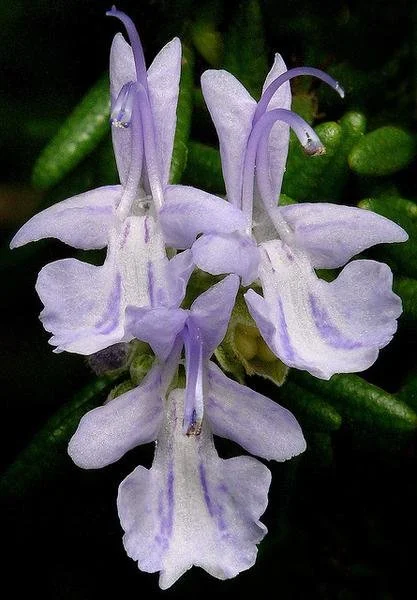 Image 2 of 2
Pot Size: 1 quart
Native Status: Non-native
Description: Rosemary is an aromatic, perennial, evergreen shrub in the Lamiaceae or mint family that is valued for its fragrant, ornamental foliage, and as an enhancement in cooking. The shrub grows from 4 to 5 feet tall and is generally erect and rounded. The aromatic, needle-like leaves are green on the upper surface, and the undersides are white and tomentose. The flowers are tiny, blue, lavender, or white, and are two-lipped and whorled around the square stems. Use in butterfly, pollinator, children's, rock, winter, edible, and cutting gardens. It is frequently cultivated as an ornamental, as a culinary herb, or for use in sachets or potpourris.
Light Exposure: Full sun Drought Tolerant: Yes
Soil Moisture: Dry/medium well-drained Salt Tolerant: Yes
Mature Height: 4 ft – 5 ft Deer Resistant: Yes
Mature Width: 3 ft – 4 ft
Bloom Color/Bloom Time: Blue flowers which bloom from spring to summer
Historical Uses: Was introduced to the US by European settlers in the 17th century. One of the oldest known herbs it was used by ancient Greeks and Romans to enhance memory and cognitive function. Known as the "herb of remembrance," it was worn in wreaths during exams, used in wedding rituals to symbolize loyalty, and placed on graves as a sign of respect. Also used for food preservation and flavor.
Wildlife Values: The flowers attract various bees (including honeybees, bumblebees, and mason bees) and butterflies, making it a staple for pollinator gardens. Small birds utilize the thick foliage for protection, and some species, such as sparrows and starlings, incorporate rosemary twigs into their nests. The dense, woody, and evergreen foliage acts as a shelter for beneficial insects, particularly during winter. American goldfinches will visit them for the seeds.
👉 For more information visit NC Extension Gardener Plant Toolbox
The information provided here is for educational and informational purposes only and is not intended as medical advice. Medicinal plants can have serious side effects and interactions with medications. Consult your healthcare provider before using any herbal remedies, as you are responsible for your own health decisions.
Photo Credits:
1 - Rosemary in bloom. Salvia rosmarinus Gil Costa CC BY-NC 2.0
2 - Salvia rosmarinus. Flower detail James Gaither CC BY-NC-ND 2.0
Pot Size: 1 quart
Native Status: Non-native
Description: Rosemary is an aromatic, perennial, evergreen shrub in the Lamiaceae or mint family that is valued for its fragrant, ornamental foliage, and as an enhancement in cooking. The shrub grows from 4 to 5 feet tall and is generally erect and rounded. The aromatic, needle-like leaves are green on the upper surface, and the undersides are white and tomentose. The flowers are tiny, blue, lavender, or white, and are two-lipped and whorled around the square stems. Use in butterfly, pollinator, children's, rock, winter, edible, and cutting gardens. It is frequently cultivated as an ornamental, as a culinary herb, or for use in sachets or potpourris.
Light Exposure: Full sun Drought Tolerant: Yes
Soil Moisture: Dry/medium well-drained Salt Tolerant: Yes
Mature Height: 4 ft – 5 ft Deer Resistant: Yes
Mature Width: 3 ft – 4 ft
Bloom Color/Bloom Time: Blue flowers which bloom from spring to summer
Historical Uses: Was introduced to the US by European settlers in the 17th century. One of the oldest known herbs it was used by ancient Greeks and Romans to enhance memory and cognitive function. Known as the "herb of remembrance," it was worn in wreaths during exams, used in wedding rituals to symbolize loyalty, and placed on graves as a sign of respect. Also used for food preservation and flavor.
Wildlife Values: The flowers attract various bees (including honeybees, bumblebees, and mason bees) and butterflies, making it a staple for pollinator gardens. Small birds utilize the thick foliage for protection, and some species, such as sparrows and starlings, incorporate rosemary twigs into their nests. The dense, woody, and evergreen foliage acts as a shelter for beneficial insects, particularly during winter. American goldfinches will visit them for the seeds.
👉 For more information visit NC Extension Gardener Plant Toolbox
The information provided here is for educational and informational purposes only and is not intended as medical advice. Medicinal plants can have serious side effects and interactions with medications. Consult your healthcare provider before using any herbal remedies, as you are responsible for your own health decisions.
Photo Credits:
1 - Rosemary in bloom. Salvia rosmarinus Gil Costa CC BY-NC 2.0
2 - Salvia rosmarinus. Flower detail James Gaither CC BY-NC-ND 2.0