
 Image 1 of 3
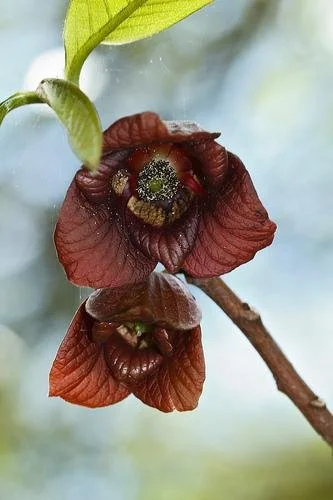 Image 2 of 3
 Image 3 of 3
Pot Size: 2 gallon
Native Status: Native
Description: This Pawpaw is a self-pollinating understory tree which typically grows 15-20' tall. Large, slightly drooping, elliptical, medium green leaves (6-12" long) retain green color well into fall before turning to a bright yellow. Cup-shaped, purple flowers (3 green sepals and 6 purple petals in two tiers) appear in spring, and give way to edible, oblong, yellowish green fruits which mature in early autumn to a dark brown. Mature fruits have a banana custard flavor. Pawpaw is an important food source for Zebra swallowtail (Eurytides marcellus) larvae. Pawpaw does well in naturalized, riparian, or woodland areas.
Light Exposure: Full Sun – Part Shade Drought Tolerant: Moderately
Soil Moisture: Medium Salt Tolerant: Moderately
Mature Height: 15 – 30 ft Deer Resistant: Yes
Mature Width: 15 – 30 ft
Bloom Color/Bloom Time: Trees bloom in early to mid-spring, typically from March to May. The flowers are distinct, cup-shaped, 1–2 inches wide, and color-mature from green to a dark, velvety maroon, purplish-brown, or deep red.
Historical Uses: First documented in America 1734.Early settlers used for food, fiber, medicine, and crafts. The fruit, which is the largest native edible fruit in the US, was consumed raw or dried into cakes for storage. Its strong inner bark was historically used for making ropes, fishing nets, and mats.
Wildlife Values: Its fleshy fruits are eaten by songbirds, wild turkeys, squirrels, raccoons, opossums, black bears, and foxes. Pawpaws are larval host plants for the Zebra Swallowtail (Eurytides marcellus). The adult butterflies lay eggs in the north during two flights between April and August and in the south between March and December.
👉 For more information visit NC Extension Gardener Plant Toolbox
The information provided here is for educational and informational purposes only and is not intended as medical advice. Medicinal plants can have serious side effects and interactions with medications. Consult your healthcare provider before using any herbal remedies, as you are responsible for your own health decisions.
Photo Credits:
1 - Asimina triloba Jim Robbins CC BY-NC-ND 4.0
2 - Asimina triloba Tom Potterfield CC BY-NC-SA 2.0
3 - Asimina triloba. Fruit Photo by Phillip Merritt CC BY-NC-SA 2.0
Pot Size: 2 gallon
Native Status: Native
Description: This Pawpaw is a self-pollinating understory tree which typically grows 15-20' tall. Large, slightly drooping, elliptical, medium green leaves (6-12" long) retain green color well into fall before turning to a bright yellow. Cup-shaped, purple flowers (3 green sepals and 6 purple petals in two tiers) appear in spring, and give way to edible, oblong, yellowish green fruits which mature in early autumn to a dark brown. Mature fruits have a banana custard flavor. Pawpaw is an important food source for Zebra swallowtail (Eurytides marcellus) larvae. Pawpaw does well in naturalized, riparian, or woodland areas.
Light Exposure: Full Sun – Part Shade Drought Tolerant: Moderately
Soil Moisture: Medium Salt Tolerant: Moderately
Mature Height: 15 – 30 ft Deer Resistant: Yes
Mature Width: 15 – 30 ft
Bloom Color/Bloom Time: Trees bloom in early to mid-spring, typically from March to May. The flowers are distinct, cup-shaped, 1–2 inches wide, and color-mature from green to a dark, velvety maroon, purplish-brown, or deep red.
Historical Uses: First documented in America 1734.Early settlers used for food, fiber, medicine, and crafts. The fruit, which is the largest native edible fruit in the US, was consumed raw or dried into cakes for storage. Its strong inner bark was historically used for making ropes, fishing nets, and mats.
Wildlife Values: Its fleshy fruits are eaten by songbirds, wild turkeys, squirrels, raccoons, opossums, black bears, and foxes. Pawpaws are larval host plants for the Zebra Swallowtail (Eurytides marcellus). The adult butterflies lay eggs in the north during two flights between April and August and in the south between March and December.
👉 For more information visit NC Extension Gardener Plant Toolbox
The information provided here is for educational and informational purposes only and is not intended as medical advice. Medicinal plants can have serious side effects and interactions with medications. Consult your healthcare provider before using any herbal remedies, as you are responsible for your own health decisions.
Photo Credits:
1 - Asimina triloba Jim Robbins CC BY-NC-ND 4.0
2 - Asimina triloba Tom Potterfield CC BY-NC-SA 2.0
3 - Asimina triloba. Fruit Photo by Phillip Merritt CC BY-NC-SA 2.0