 Image 1 of 2
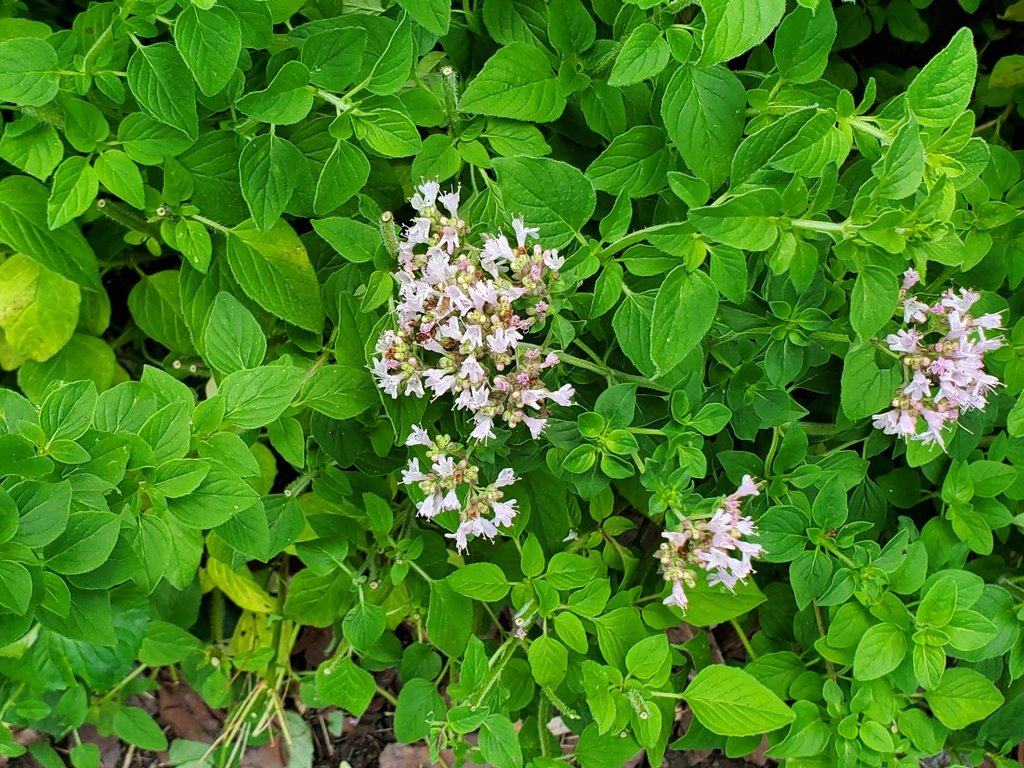 Image 2 of 2
Pot Size: 1 quart
Native Status: Non-native
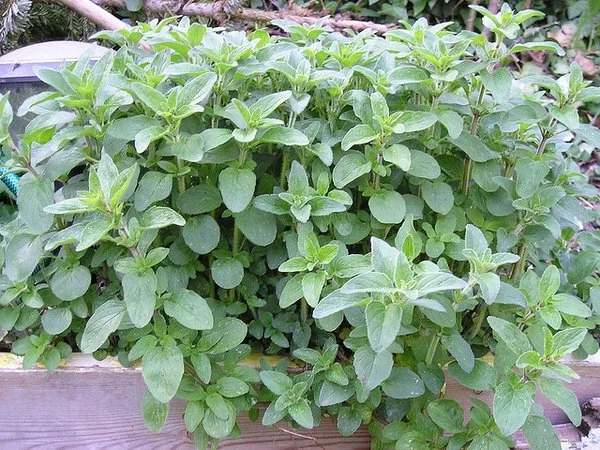
Description: Woody perennial herb in the mint family with olive-green leaves and small lavender flowers. Flavoring for tomato dishes, meat, poultry, and pork stuffing; vegetables, and sauces. Flowers have a pungent, spicy flavor, but are milder than the leaves. The flowers attract a tremendous number of visitors and pollinators. Use in container, edible, pollinator, rock gardens and/or as ground cover.
Light Exposure: Full sun Drought Tolerant: Yes
Soil Moisture: Dry Well drained Salt Tolerant: Moderately
Mature Height: 1 ft – 2ft Deer Resistant: Yes
Mature Width: 1 ft 6 in
Bloom Color/Bloom Time: Small lavender flowers blooming June to August.
Historical Uses: Oregano was used in colonial times for such problems as coughs, toothaches, baldness, and rheumatism. Over the centuries, it has been used to treat a variety of ailments, including snake and spider bites, respiratory troubles, and menstrual problems. It may not have been used as a culinary herb in the United States until after World War II when American soldiers returned from Europe with a love for the herb in Italian cuisine.
Wildlife Values: This pollinator plant is favored by honeybees, bumblebees, and various solitary bees, such as the Blue mason bee. The plant also attracts hoverflies and beneficial insects, which are natural predators of aphids. Its low-growing, bushy habit serves as a ground cover and refuge for beneficial creatures.
👉 For more information visit NC Extension Gardener Plant Toolbox
The information provided here is for educational and informational purposes only and is not intended as medical advice. Medicinal plants can have serious side effects and interactions with medications. Consult your healthcare provider before using any herbal remedies, as you are responsible for your own health decisions.
Photo Credits:
1- Origanum vulgare Anna CC BY 2.0
2- Origanum vulgare flowers Linda Snider CC BY 4.0
Pot Size: 1 quart
Native Status: Non-native
Description: Woody perennial herb in the mint family with olive-green leaves and small lavender flowers. Flavoring for tomato dishes, meat, poultry, and pork stuffing; vegetables, and sauces. Flowers have a pungent, spicy flavor, but are milder than the leaves. The flowers attract a tremendous number of visitors and pollinators. Use in container, edible, pollinator, rock gardens and/or as ground cover.
Light Exposure: Full sun Drought Tolerant: Yes
Soil Moisture: Dry Well drained Salt Tolerant: Moderately
Mature Height: 1 ft – 2ft Deer Resistant: Yes
Mature Width: 1 ft 6 in
Bloom Color/Bloom Time: Small lavender flowers blooming June to August.
Historical Uses: Oregano was used in colonial times for such problems as coughs, toothaches, baldness, and rheumatism. Over the centuries, it has been used to treat a variety of ailments, including snake and spider bites, respiratory troubles, and menstrual problems. It may not have been used as a culinary herb in the United States until after World War II when American soldiers returned from Europe with a love for the herb in Italian cuisine.
Wildlife Values: This pollinator plant is favored by honeybees, bumblebees, and various solitary bees, such as the Blue mason bee. The plant also attracts hoverflies and beneficial insects, which are natural predators of aphids. Its low-growing, bushy habit serves as a ground cover and refuge for beneficial creatures.
👉 For more information visit NC Extension Gardener Plant Toolbox
The information provided here is for educational and informational purposes only and is not intended as medical advice. Medicinal plants can have serious side effects and interactions with medications. Consult your healthcare provider before using any herbal remedies, as you are responsible for your own health decisions.
Photo Credits:
1- Origanum vulgare Anna CC BY 2.0
2- Origanum vulgare flowers Linda Snider CC BY 4.0