
 Image 1 of 2
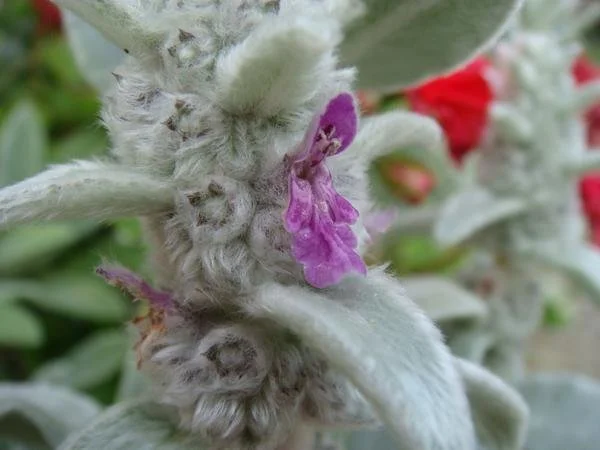 Image 2 of 2
Pot Size: 1 quart
Native Status: Non-native
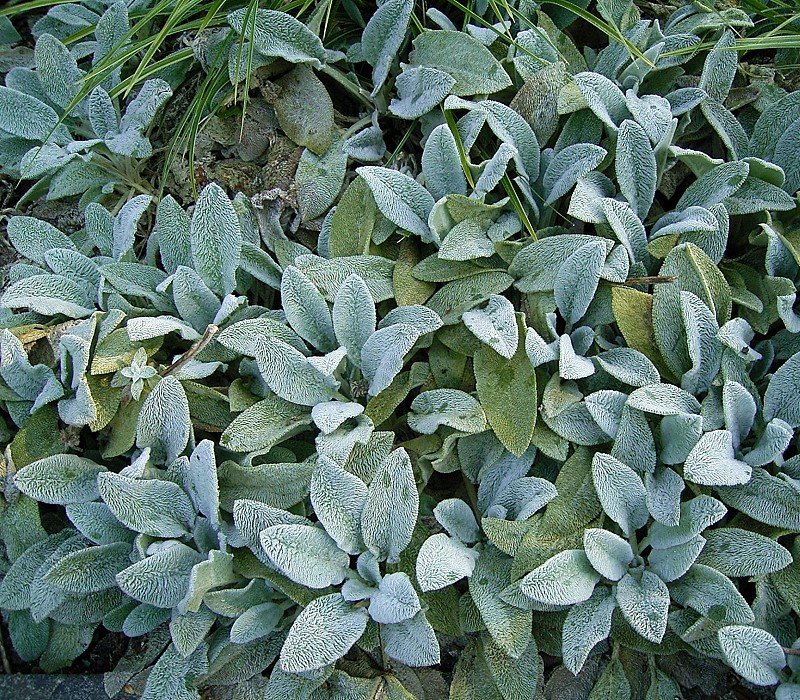
Description: Lamb's ear is a popular silver-leaved, semi-evergreen, herbaceous perennial ground cover in the mint family (Lamiaceae). The plant grows into a dense clump of thick, soft, velvety, silver-green leaves that form a low-spreading groundcover. They are evergreen in warmer climates. Great addition to a children’s or sensory garden due to the soft, fuzzy leaves.
Light Exposure: Full sun to partial shade Drought Tolerant: Yes
Soil Moisture: Dry/medium well-drained Salt Tolerant: No
Mature Height: 1 ft – 1 ft 6 in Deer Resistant: Yes
Mature Width: 1 ft – 1 ft 6 in
Bloom Color/Bloom Time: Produces spikes of lavender-purple to pink flowers, blooming primarily from May through August.
Historical Uses: The soft, fuzzy leaves were a natural "Band-Aid," used by colonists to cover small cuts and scrapes when cloth was scarce. During the Civil War, the soft, absorbent leaves were used as natural bandages to manage bleeding and stabilize wounds. First historical record 1771.
Wildlife Values: Pollinator magnet, particularly for bees and hummingbirds, while its fuzzy texture acts as a natural deterrent against deer, rabbits, and squirrels. It serves as a drought-tolerant, low-maintenance ground cover that supports beneficial insects
👉 For more information visit NC Extension Gardener Plant Toolbox
The information provided here is for educational and informational purposes only and is not intended as medical advice. Medicinal plants can have serious side effects and interactions with medications. Consult your healthcare provider before using any herbal remedies, as you are responsible for your own health decisions.
Photo Credits:
1 - Stachys byzantina Frank Vincentz CC BY-SA 3.0
2 - Stachys byzantina. Leaves and Flowers Louisa Billeter CC BY-NC-SA 2.0
Pot Size: 1 quart
Native Status: Non-native
Description: Lamb's ear is a popular silver-leaved, semi-evergreen, herbaceous perennial ground cover in the mint family (Lamiaceae). The plant grows into a dense clump of thick, soft, velvety, silver-green leaves that form a low-spreading groundcover. They are evergreen in warmer climates. Great addition to a children’s or sensory garden due to the soft, fuzzy leaves.
Light Exposure: Full sun to partial shade Drought Tolerant: Yes
Soil Moisture: Dry/medium well-drained Salt Tolerant: No
Mature Height: 1 ft – 1 ft 6 in Deer Resistant: Yes
Mature Width: 1 ft – 1 ft 6 in
Bloom Color/Bloom Time: Produces spikes of lavender-purple to pink flowers, blooming primarily from May through August.
Historical Uses: The soft, fuzzy leaves were a natural "Band-Aid," used by colonists to cover small cuts and scrapes when cloth was scarce. During the Civil War, the soft, absorbent leaves were used as natural bandages to manage bleeding and stabilize wounds. First historical record 1771.
Wildlife Values: Pollinator magnet, particularly for bees and hummingbirds, while its fuzzy texture acts as a natural deterrent against deer, rabbits, and squirrels. It serves as a drought-tolerant, low-maintenance ground cover that supports beneficial insects
👉 For more information visit NC Extension Gardener Plant Toolbox
The information provided here is for educational and informational purposes only and is not intended as medical advice. Medicinal plants can have serious side effects and interactions with medications. Consult your healthcare provider before using any herbal remedies, as you are responsible for your own health decisions.
Photo Credits:
1 - Stachys byzantina Frank Vincentz CC BY-SA 3.0
2 - Stachys byzantina. Leaves and Flowers Louisa Billeter CC BY-NC-SA 2.0