Pot Size: 2 quarts
Native Status: Native Cultivar
Description: ’Little Joe’ is a more compact cultivar than the species, typically growing in a clump to 3-4’ tall and to 1-3’ wide. Distinguished from the straight species by: (1) stiffer, more upright, and more compact growth habit, (2) more compact inflorescences typically colored light lavender, and (3) greater drought tolerance. Will spread by self-seeding. Suitable for landscape or containers.
Light Exposure: Full Sun to Part Shade Drought Tolerant : Yes
Soil Moisture: Medium - Moist Salt Tolerant: Yes
Mature Height: 3-4 ft Deer Resistant: Yes
Mature Width: 1-3 ft
Bloom Color/Bloom Time: Lavender to rose-colored blooms from July through September.
Historical Uses: Native of this plant was historically used in herbal medicine for the treatment of cases of flu, fevers, colds, and a variety of other maladies.
Wildlife Values: Nectar source for bees and butterflies. Songbirds, especially American goldfinches, eat the seeds. Stem-nesting bees use dead stems.
👉For more information visit NC Extension Gardener Plant Toolbox
Pot Size: 2 quarts
Native Status: Native Cultivar
Description: ’Little Joe’ is a more compact cultivar than the species, typically growing in a clump to 3-4’ tall and to 1-3’ wide. Distinguished from the straight species by: (1) stiffer, more upright, and more compact growth habit, (2) more compact inflorescences typically colored light lavender, and (3) greater drought tolerance. Will spread by self-seeding. Suitable for landscape or containers.
Light Exposure: Full Sun to Part Shade Drought Tolerant : Yes
Soil Moisture: Medium - Moist Salt Tolerant: Yes
Mature Height: 3-4 ft Deer Resistant: Yes
Mature Width: 1-3 ft
Bloom Color/Bloom Time: Lavender to rose-colored blooms from July through September.
Historical Uses: Native of this plant was historically used in herbal medicine for the treatment of cases of flu, fevers, colds, and a variety of other maladies.
Wildlife Values: Nectar source for bees and butterflies. Songbirds, especially American goldfinches, eat the seeds. Stem-nesting bees use dead stems.
👉For more information visit NC Extension Gardener Plant Toolbox
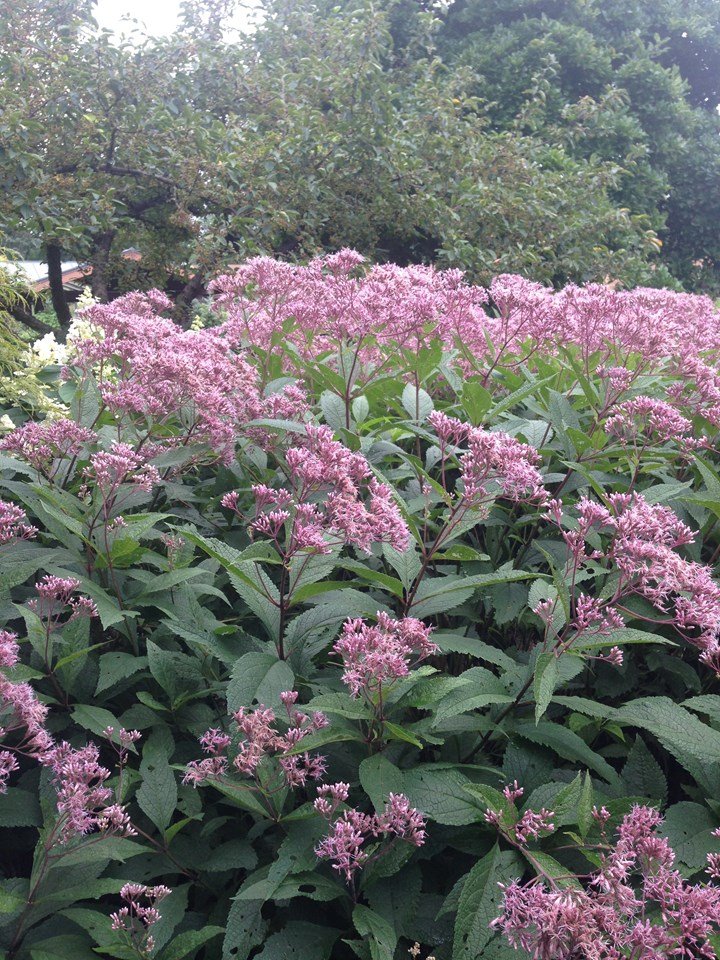 Image 1 of 2
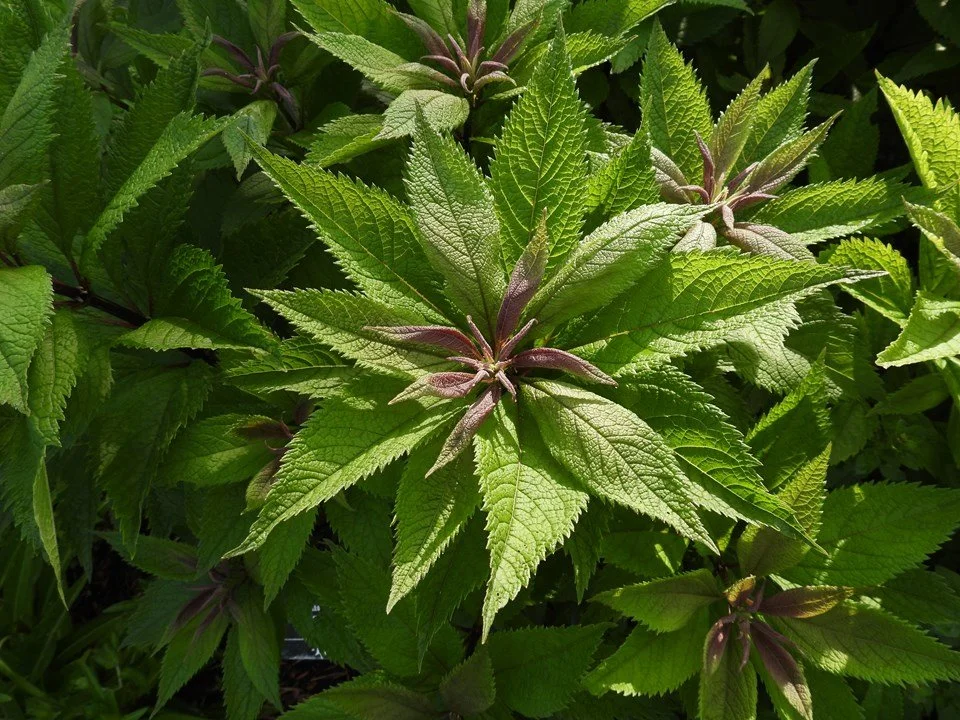 Image 2 of 2