 Image 1 of 2
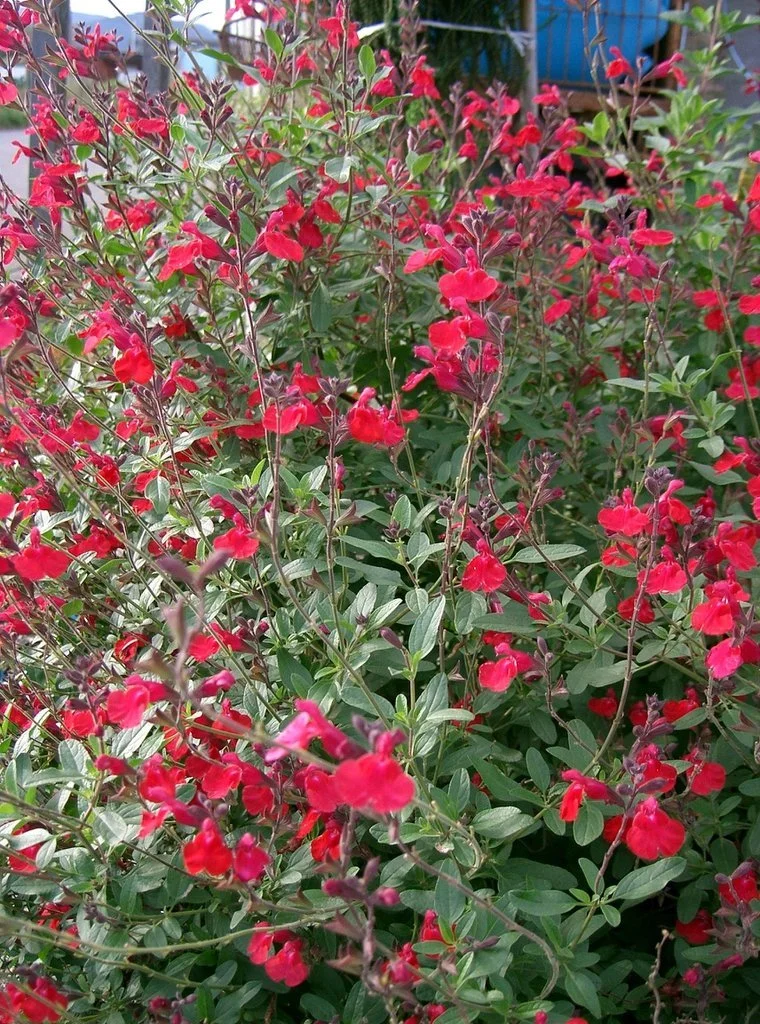 Image 2 of 2
Pot Size: 1 quart
Native Status: Native Cultivar
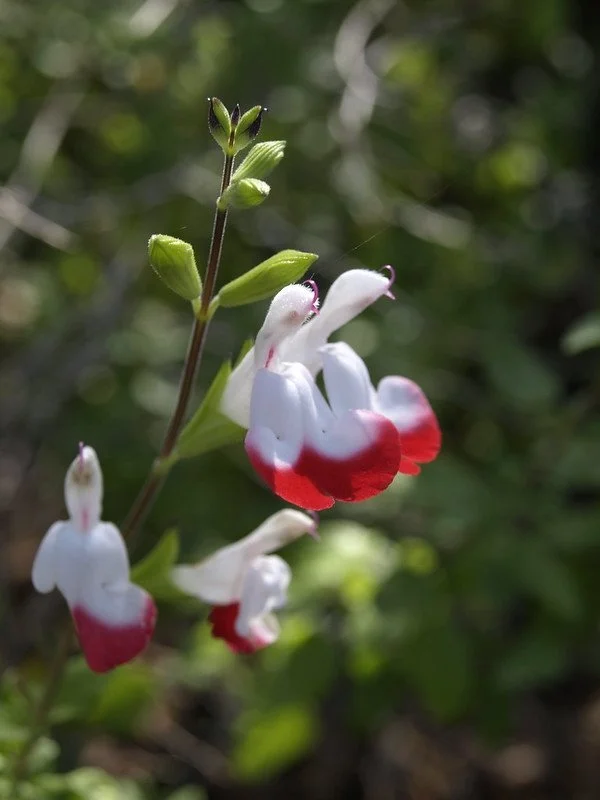
Description: This Salvia (also known as Sage) is an evergreen in the mint (Lamiaceae) family. It needs to be planted in full sun and in well-drained soil. It is drought- and heat-tolerant and slightly salt-tolerant. Propagate by seeds or stem cuttings. The pink, red or white flowers occur on spikes and have a long bloom cycle. The popular cultivar ‘Hot Lips’ is usually white with a red lower lip, but the proportion of the flower that is red seems to be dependent on temperature. To keep the plant tidy and free blooming, prune back dead flowers and stems on a regular basis. Use little leaf sage in the perennial border, or in butterfly, cottage, rock, or pollinator gardens, or for xeriscaping.
Light Exposure: Full sun Drought Tolerant: Yes
Soil Moisture: Moist to Occasionally Dry Salt Tolerant: Yes
Mature Height: 3 ft – 5 ft Deer Resistant: Yes
Mature Width: 3 ft – 5 ft
Bloom Color/Bloom Time: Blooms in bicolor, red-and-white flowers that open late spring through fall. Often lasts until the first frost.
Historical Uses: This plant has historically been used in traditional medicine to reduce fevers, treat coughs, and alleviate headaches. It is commonly used to make a, fragrant herbal tea known as mirto de montes and has served in traditional, ceremonial roles, symbolizing healing and protection.
Wildlife Values: A drought-tolerant perennial that acts as a magnet for hummingbirds, bees, and butterflies from summer through fall attract various bees (including honeybees, bumblebees, and mason bees).
👉 For more information visit NC Extension Gardener Plant Toolbox
The information provided here is for educational and informational purposes only and is not intended as medical advice. Medicinal plants can have serious side effects and interactions with medications. Consult your healthcare provider before using any herbal remedies, as you are responsible for your own health decisions.Photo Credits:
1 - Salvia microphylla 'Hot Lips' Scott Zona CC BY-NC 2.0
2 - Salvia microphylla KENPEI CC BY-SA 3.0
Pot Size: 1 quart
Native Status: Native Cultivar
Description: This Salvia (also known as Sage) is an evergreen in the mint (Lamiaceae) family. It needs to be planted in full sun and in well-drained soil. It is drought- and heat-tolerant and slightly salt-tolerant. Propagate by seeds or stem cuttings. The pink, red or white flowers occur on spikes and have a long bloom cycle. The popular cultivar ‘Hot Lips’ is usually white with a red lower lip, but the proportion of the flower that is red seems to be dependent on temperature. To keep the plant tidy and free blooming, prune back dead flowers and stems on a regular basis. Use little leaf sage in the perennial border, or in butterfly, cottage, rock, or pollinator gardens, or for xeriscaping.
Light Exposure: Full sun Drought Tolerant: Yes
Soil Moisture: Moist to Occasionally Dry Salt Tolerant: Yes
Mature Height: 3 ft – 5 ft Deer Resistant: Yes
Mature Width: 3 ft – 5 ft
Bloom Color/Bloom Time: Blooms in bicolor, red-and-white flowers that open late spring through fall. Often lasts until the first frost.
Historical Uses: This plant has historically been used in traditional medicine to reduce fevers, treat coughs, and alleviate headaches. It is commonly used to make a, fragrant herbal tea known as mirto de montes and has served in traditional, ceremonial roles, symbolizing healing and protection.
Wildlife Values: A drought-tolerant perennial that acts as a magnet for hummingbirds, bees, and butterflies from summer through fall attract various bees (including honeybees, bumblebees, and mason bees).
👉 For more information visit NC Extension Gardener Plant Toolbox
The information provided here is for educational and informational purposes only and is not intended as medical advice. Medicinal plants can have serious side effects and interactions with medications. Consult your healthcare provider before using any herbal remedies, as you are responsible for your own health decisions.Photo Credits:
1 - Salvia microphylla 'Hot Lips' Scott Zona CC BY-NC 2.0
2 - Salvia microphylla KENPEI CC BY-SA 3.0