
 Image 1 of 2
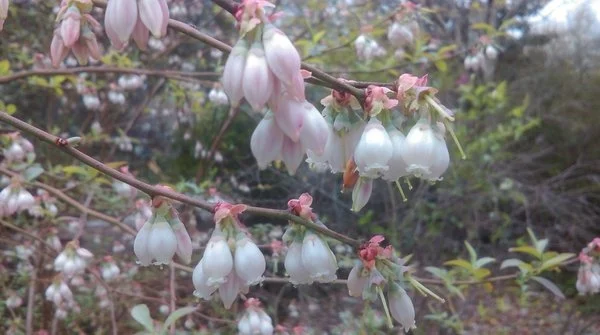 Image 2 of 2
Pot Size: 3 gallon
Native Status: Native Cultivar
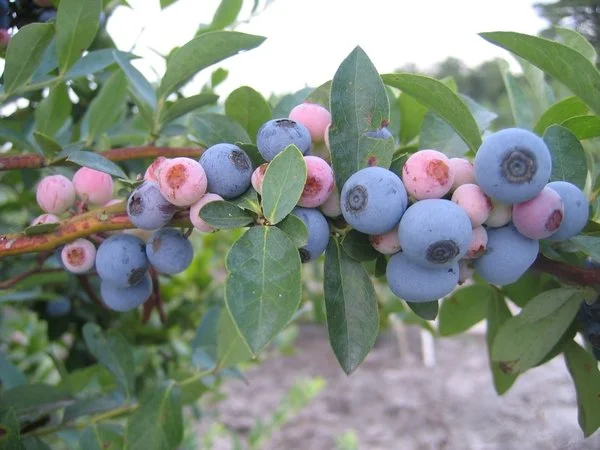
Description: Highbush blueberry is in the heath (Ericaceae) family and is native to eastern North America. It can grow 6 to 12 feet tall. It is an upright, multi-stemmed, slow-growing deciduous shrub found naturally in bogs, swamps, and high elevation forests. Known as a standout blueberry bush, it produces large quantities of very large, light blue fruit in as soon as 2–4 years. The plant is more cold-hardy than most rabbiteye blueberries, with a 550-600 chill hour requirement It is planted for its edible fruit and beautiful fall color. Tifblue is a larger berry. Use highbush blueberry as a hedge or mass planting in edible, pollinator, butterfly, children, or rain gardens. Considered a superfood due to its nutritional value.
Light Exposure: Full Sun to Partial Shade Drought Tolerant: Yes
Soil Moisture: Acidic, moist but well-drained Salt Tolerant: Moderately
Mature Height: 6-12 ft Deer Resistant: No
Mature Width: 6-10 ft
Bloom Color/Bloom Time: Small white flowers that ripen into berries mid-June to late July.
Historical Uses: The Tifblue cultivar was introduced to industry in the early 1950s. It was the first commercial blueberry released in 1955 and became the staple in the canning industry. Vaccinium corymbosum first documented 1753 in America.
Wildlife Values: Attracts bees, butterflies, other pollinators, and songbirds. Wildlife food source.
👉 For more information visit NC Extension Gardener Plant Toolbox and Growing Blueberries in the Home Garden.
The information provided here is for educational and informational purposes only and is not intended as medical advice. Medicinal plants can have serious side effects and interactions with medications. Consult your healthcare provider before using any herbal remedies, as you are responsible for your own health decisions.
Photo Credits:
1 - Bill Cline, Growing Blueberries in the Home Garden
2 - Bill Cline, Growing Blueberries in the Home Garden
Pot Size: 3 gallon
Native Status: Native Cultivar
Description: Highbush blueberry is in the heath (Ericaceae) family and is native to eastern North America. It can grow 6 to 12 feet tall. It is an upright, multi-stemmed, slow-growing deciduous shrub found naturally in bogs, swamps, and high elevation forests. Known as a standout blueberry bush, it produces large quantities of very large, light blue fruit in as soon as 2–4 years. The plant is more cold-hardy than most rabbiteye blueberries, with a 550-600 chill hour requirement It is planted for its edible fruit and beautiful fall color. Tifblue is a larger berry. Use highbush blueberry as a hedge or mass planting in edible, pollinator, butterfly, children, or rain gardens. Considered a superfood due to its nutritional value.
Light Exposure: Full Sun to Partial Shade Drought Tolerant: Yes
Soil Moisture: Acidic, moist but well-drained Salt Tolerant: Moderately
Mature Height: 6-12 ft Deer Resistant: No
Mature Width: 6-10 ft
Bloom Color/Bloom Time: Small white flowers that ripen into berries mid-June to late July.
Historical Uses: The Tifblue cultivar was introduced to industry in the early 1950s. It was the first commercial blueberry released in 1955 and became the staple in the canning industry. Vaccinium corymbosum first documented 1753 in America.
Wildlife Values: Attracts bees, butterflies, other pollinators, and songbirds. Wildlife food source.
👉 For more information visit NC Extension Gardener Plant Toolbox and Growing Blueberries in the Home Garden.
The information provided here is for educational and informational purposes only and is not intended as medical advice. Medicinal plants can have serious side effects and interactions with medications. Consult your healthcare provider before using any herbal remedies, as you are responsible for your own health decisions.
Photo Credits:
1 - Bill Cline, Growing Blueberries in the Home Garden
2 - Bill Cline, Growing Blueberries in the Home Garden