 Image 1 of 2
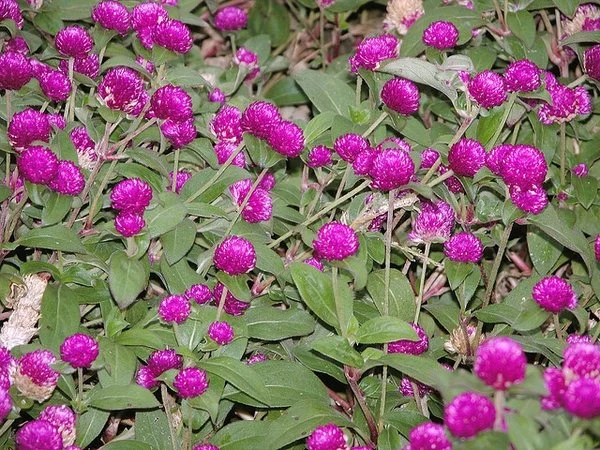 Image 2 of 2
Pot Size: 1 quart
Native Status: Non-Native
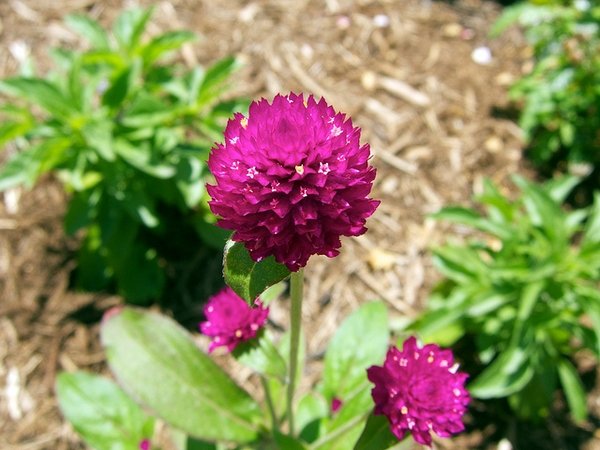
Description: Globe Flower, also known as Globe Amaranth, is an herbaceous annual with an upright spreading habit of growth. It does well in full sun and can tolerate periods of drought. A pollinator magnet, it produces masses of beautiful violet ball-shaped flowers (technically bracts) with white overtones at the ends of the stems. Each bract contains countless bright-colored leaves surrounding long-lasting miniature flowers, making them superb for fresh or dried arrangements. Globe Amaranth is also a good selection for planting in outdoor pots/containers and is best suited for use as a ‘thriller’ in the ‘spiller-thriller-filler’ combination.
Light Exposure: Full Sun to Part Shade Drought Tolerant: Yes
Soil Moisture: Moist, but well drained Salt Tolerant: No
Mature Height: 1 – 2 ft. Deer Resistant: Yes
Mature Width: .6 – 1 ft.
Bloom Color/Bloom Time: Pink-purple/lavender blooms late spring through October.
Historical Uses: A native of the Indian subcontinent and introduced to Britain and America in the 1700’s. Thomas Jefferson recorded the sowing of Globe Amaranth seeds at Shadwell, his boyhood home, on April 2, 1767. At Monticello it was one of a limited number or heat-loving annuals. Today, it remains one of the most asked about flowers in the Monticello gardens. (https://www.monticello.org/encyclopedia/globe-amaranth). Medicinally brewed into a tea for coughs, inflammation, diabetes, hypertension, and as a general antioxidant due to flavonoids and betacyanins. Betacyanins in the flowers provide a red-violet color dye suitable for food and cosmetics.
Wildlife Values: The flowers attract a wide variety of pollinators including butterflies, honeybees, hoverflies and swallowtails. Backyard birds are attracted to flower seeds and the long bloom time provides a consistent food source throughout the growing season.
👉 For more information visit NC Extension Gardener Plant Toolbox
The information provided here is for educational and informational purposes only and is not intended as medical advice. Medicinal plants can have serious side effects and interactions with medications. Consult your healthcare provider before using any herbal remedies, as you are responsible for your own health decisions.
Photo Credits:
1 - Gomphrena globosa Beautifulcataya CC BY-NC-ND 2.0
2 - Gomphrena globosa Carl Lewis CC BY 2.0
Pot Size: 1 quart
Native Status: Non-Native
Description: Globe Flower, also known as Globe Amaranth, is an herbaceous annual with an upright spreading habit of growth. It does well in full sun and can tolerate periods of drought. A pollinator magnet, it produces masses of beautiful violet ball-shaped flowers (technically bracts) with white overtones at the ends of the stems. Each bract contains countless bright-colored leaves surrounding long-lasting miniature flowers, making them superb for fresh or dried arrangements. Globe Amaranth is also a good selection for planting in outdoor pots/containers and is best suited for use as a ‘thriller’ in the ‘spiller-thriller-filler’ combination.
Light Exposure: Full Sun to Part Shade Drought Tolerant: Yes
Soil Moisture: Moist, but well drained Salt Tolerant: No
Mature Height: 1 – 2 ft. Deer Resistant: Yes
Mature Width: .6 – 1 ft.
Bloom Color/Bloom Time: Pink-purple/lavender blooms late spring through October.
Historical Uses: A native of the Indian subcontinent and introduced to Britain and America in the 1700’s. Thomas Jefferson recorded the sowing of Globe Amaranth seeds at Shadwell, his boyhood home, on April 2, 1767. At Monticello it was one of a limited number or heat-loving annuals. Today, it remains one of the most asked about flowers in the Monticello gardens. (https://www.monticello.org/encyclopedia/globe-amaranth). Medicinally brewed into a tea for coughs, inflammation, diabetes, hypertension, and as a general antioxidant due to flavonoids and betacyanins. Betacyanins in the flowers provide a red-violet color dye suitable for food and cosmetics.
Wildlife Values: The flowers attract a wide variety of pollinators including butterflies, honeybees, hoverflies and swallowtails. Backyard birds are attracted to flower seeds and the long bloom time provides a consistent food source throughout the growing season.
👉 For more information visit NC Extension Gardener Plant Toolbox
The information provided here is for educational and informational purposes only and is not intended as medical advice. Medicinal plants can have serious side effects and interactions with medications. Consult your healthcare provider before using any herbal remedies, as you are responsible for your own health decisions.
Photo Credits:
1 - Gomphrena globosa Beautifulcataya CC BY-NC-ND 2.0
2 - Gomphrena globosa Carl Lewis CC BY 2.0