 Image 1 of 2
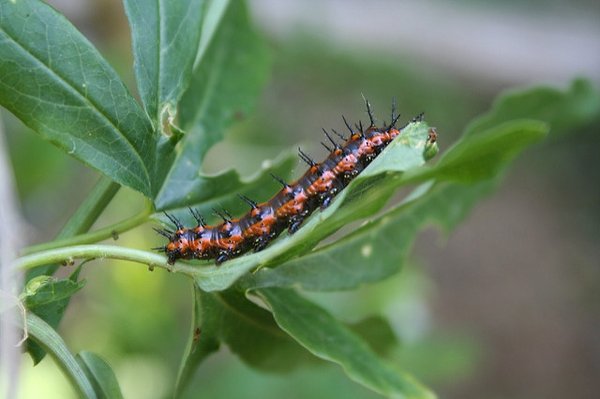 Image 2 of 2
Pot Size: 1 gallon
Native Status: Native
Description: Passionflower is a rapidly growing, trailing or climbing perennial native to the southeastern and south-central parts of the United States including North Carolina. Grows in average-fertility, well-drained soils in full sun to part shade. Although this vine is tolerant of drought, a loose mulch can help to keep the roots cool. The showy flowers and edible fruit make it an excellent choice for an edible, an arbor, pergola, trellis, or fence , where its showy flowers can be enjoyed.
Light Exposure: Full Sun to Part Shade Drought Tolerant: Yes
Soil Moisture: Medium to Dry Salt Tolerant: Yes
Mature Height: 15–20 ft Deer Resistant: Moderately
Mature Width: 3-6 ft
Bloom Color/Bloom Time: Blooms light purple from May to July.
Historical Uses: Used medicinally by Native Americans. They would poultice the root to be used for boils, cuts, bruises, earaches, and inflammation. First documented in America 1612 in Jamestown, VA. William Strachey, in his report The Historie of Travaile into Virginia Britannia, reported that Native Americans in the Jamestown area were growing the vine and eating the fruit, which they called "maracocks".
Wildlife Values: This plant provides nectar for pollinators and is a larval host plant for several butterflies including the Gulf Fritillary (Agraulis vanillae), Variegated Fritillary (Euptoieta claudia), and the Zebra Heliconian (Heliconius charithonia). Hummingbirds and butterflies nectar from the flowers in the summer. Its fruit may be eaten by songbirds, small mammals and some larger mammals. Leaves and stems, if eaten, can be harmful to dogs, cats, and humans.
For more information visit NC Extension Gardener Plant Toolbox
Photo Credits:
1 - Passiflora incarnata Flower Linda Querec CC BY 2.0L
2 - Gulf Fritillary Caterpillar on Passiflora incarnata CC BY-SA 4.0
The information provided here is for educational and informational purposes only and is not intended as medical advice. Medicinal plants can have various side effects and interactions with medications. Consult your healthcare provider before using any herbal remedies, as you are responsible for your own health decisions.
Pot Size: 1 gallon
Native Status: Native
Description: Passionflower is a rapidly growing, trailing or climbing perennial native to the southeastern and south-central parts of the United States including North Carolina. Grows in average-fertility, well-drained soils in full sun to part shade. Although this vine is tolerant of drought, a loose mulch can help to keep the roots cool. The showy flowers and edible fruit make it an excellent choice for an edible, an arbor, pergola, trellis, or fence , where its showy flowers can be enjoyed.
Light Exposure: Full Sun to Part Shade Drought Tolerant: Yes
Soil Moisture: Medium to Dry Salt Tolerant: Yes
Mature Height: 15–20 ft Deer Resistant: Moderately
Mature Width: 3-6 ft
Bloom Color/Bloom Time: Blooms light purple from May to July.
Historical Uses: Used medicinally by Native Americans. They would poultice the root to be used for boils, cuts, bruises, earaches, and inflammation. First documented in America 1612 in Jamestown, VA. William Strachey, in his report The Historie of Travaile into Virginia Britannia, reported that Native Americans in the Jamestown area were growing the vine and eating the fruit, which they called "maracocks".
Wildlife Values: This plant provides nectar for pollinators and is a larval host plant for several butterflies including the Gulf Fritillary (Agraulis vanillae), Variegated Fritillary (Euptoieta claudia), and the Zebra Heliconian (Heliconius charithonia). Hummingbirds and butterflies nectar from the flowers in the summer. Its fruit may be eaten by songbirds, small mammals and some larger mammals. Leaves and stems, if eaten, can be harmful to dogs, cats, and humans.
For more information visit NC Extension Gardener Plant Toolbox
Photo Credits:
1 - Passiflora incarnata Flower Linda Querec CC BY 2.0L
2 - Gulf Fritillary Caterpillar on Passiflora incarnata CC BY-SA 4.0
The information provided here is for educational and informational purposes only and is not intended as medical advice. Medicinal plants can have various side effects and interactions with medications. Consult your healthcare provider before using any herbal remedies, as you are responsible for your own health decisions.