
 Image 1 of 2
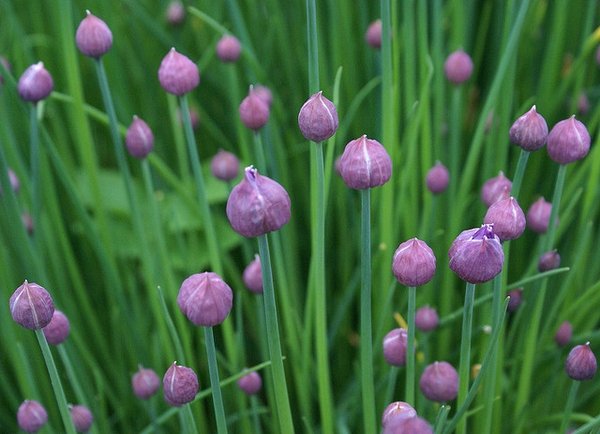 Image 2 of 2
Pot Size: 1 quart
Native Status: Non-Native
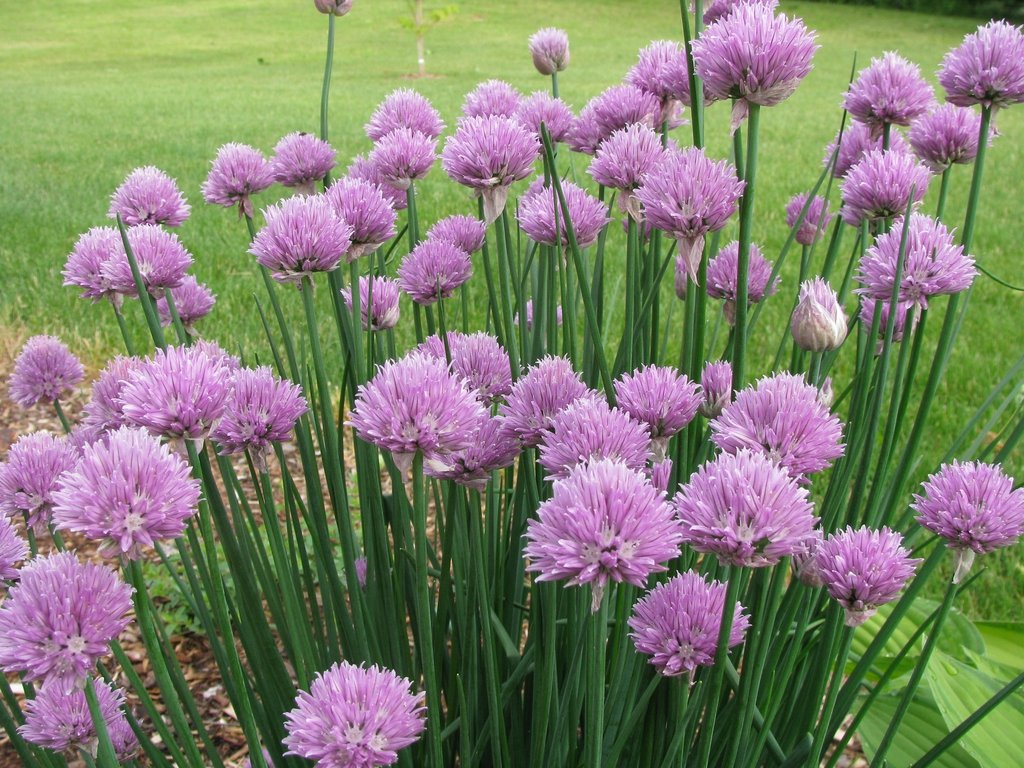
Description: Chives are bulbous perennials with purple/lavender bulbs/flowers used as ornamental or culinary herbs. Chives have edible flowers and leaves used for flavoring with eggs, soups, salads, butter, cheese, dips and spreads. Chives are from the amaryllis family (Amaryllidaceae) and native to a broad range of the temperate northern hemisphere including northern United States, Canada, northern Europe, Mongolia, Japan and almost all other northern hemispheric countries.
Light Exposure: Full sun/partial shade Drought Tolerant: Yes
Soil Moisture: Moist well-draining Salt Tolerant: Yes
Mature Height: 1 ft to 1 ft 6 in Deer Resistant: Yes
Mature Width: 1 ft – 1.5 ft
Bloom Color/Bloom Time: Purple/lavender bulbs/flowers blooming spring through summer.
Historical Uses: One of the oldest cultivated herbs known. First documented in America 1753. Historically used to treat urinary tract problems, infections, anemia, bleeding, sunburn, sore throat, and low blood pressure. Also believed toward off evil spirits and disease.
Wildlife Values: Early-season nectar source for bees, butterflies, and other beneficial pollinators. Their purple, composite flowers provide food, while their pungent foliage acts as a natural deterrent to pests like aphids and Japanese beetles. They are generally ignored by deer and rabbits, making them a durable, low-maintenance, and eco-friendly addition to gardens.
👉 For more information visit NC Extension Gardener Plant Toolbox
The information provided here is for educational and informational purposes only and is not intended as medical advice. Medicinal plants can have serious side effects and interactions with medications. Consult your healthcare provider before using any herbal remedies, as you are responsible for your own health decisions.
Photo Credits:
1- Form Captain-tucker CC BY-SA 3.0
2- Flower buds Randi Hausken CC-BY-SA 2.0
Pot Size: 1 quart
Native Status: Non-Native
Description: Chives are bulbous perennials with purple/lavender bulbs/flowers used as ornamental or culinary herbs. Chives have edible flowers and leaves used for flavoring with eggs, soups, salads, butter, cheese, dips and spreads. Chives are from the amaryllis family (Amaryllidaceae) and native to a broad range of the temperate northern hemisphere including northern United States, Canada, northern Europe, Mongolia, Japan and almost all other northern hemispheric countries.
Light Exposure: Full sun/partial shade Drought Tolerant: Yes
Soil Moisture: Moist well-draining Salt Tolerant: Yes
Mature Height: 1 ft to 1 ft 6 in Deer Resistant: Yes
Mature Width: 1 ft – 1.5 ft
Bloom Color/Bloom Time: Purple/lavender bulbs/flowers blooming spring through summer.
Historical Uses: One of the oldest cultivated herbs known. First documented in America 1753. Historically used to treat urinary tract problems, infections, anemia, bleeding, sunburn, sore throat, and low blood pressure. Also believed toward off evil spirits and disease.
Wildlife Values: Early-season nectar source for bees, butterflies, and other beneficial pollinators. Their purple, composite flowers provide food, while their pungent foliage acts as a natural deterrent to pests like aphids and Japanese beetles. They are generally ignored by deer and rabbits, making them a durable, low-maintenance, and eco-friendly addition to gardens.
👉 For more information visit NC Extension Gardener Plant Toolbox
The information provided here is for educational and informational purposes only and is not intended as medical advice. Medicinal plants can have serious side effects and interactions with medications. Consult your healthcare provider before using any herbal remedies, as you are responsible for your own health decisions.
Photo Credits:
1- Form Captain-tucker CC BY-SA 3.0
2- Flower buds Randi Hausken CC-BY-SA 2.0