 Image 1 of 2
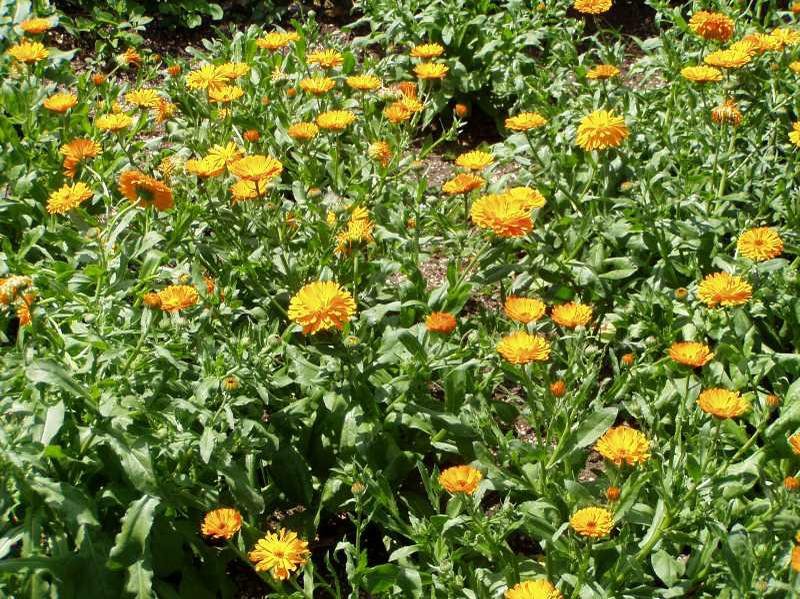 Image 2 of 2
Pot Size: 1 quart
Native Status: Non-native
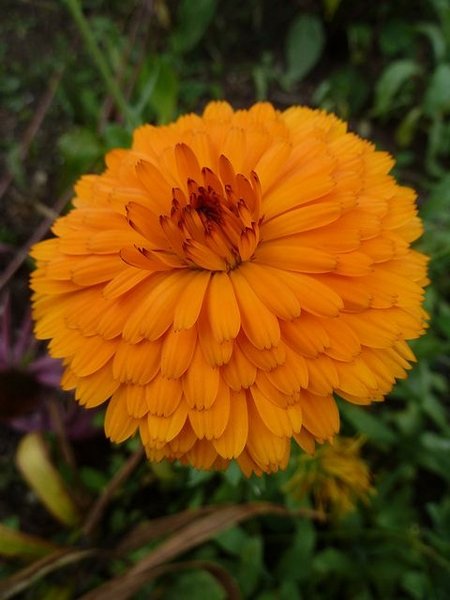
Description: Calendula is an annual with colorful yellow to vivid orange flowers that are easy to grow in average, moderately fertile, well-drained soils in full sun. Drought tolerant but needs watering to survive. Calendula also do well with some shade during hot summers but become leggy in too much shade. If plants begin to languish in prolonged hot summer weather, cut back to promote fall flowering. Suitable for containers, patios and walkways. No serious disease or insect problems. For more information:
Light Exposure: Full sun Drought Tolerant : Yes
Soil Moisture: Medium -Well drained Salt Tolerant: Moderate
Mature Height: 1 ft – 2 ft Deer Resistant: Yes
Mature Width: 1 ft – 2 ft
Bloom Color/Bloom Time: Yellow to vivid orange flowers that bloom May to June.
Historical Uses: In the culinary world, calendula petals add a pop of color and subtle flavor to a variety of dishes, from salads and soups to teas and desserts. The petals can be infused into oils, vinegars, and syrups, imparting a delicate floral aroma and golden hue to culinary creations. Marigolds are also used in religious ceremonies symbolizing love, luck, and protection. First record in America 1753.
Wildlife Values: Calendula has significant wildlife value as a magnet for beneficial insects, including bees, butterflies, hoverflies, ladybugs, and lacewings, which support pollination and natural pest control. It serves as a "trap crop" for aphids and whiteflies, while its scent deters rabbits. It also provides a nectar source from late spring to fall.The flowers make a beautiful yellow dye and they emit natural compounds that repel pests and attract beneficial insects.
👉 For more information visit NC Extension Gardener Plant Toolbox
The information provided here is for educational and informational purposes only and is not intended as medical advice. Medicinal plants can have serious side effects and interactions with medications. Consult your healthcare provider before using any herbal remedies, as you are responsible for your own health decisions.
Photo Credits:
1- Flower Kathleen Moore
2- Calendula officinalis Courtesy Missouri Botanical Garden PlantFinder
Pot Size: 1 quart
Native Status: Non-native
Description: Calendula is an annual with colorful yellow to vivid orange flowers that are easy to grow in average, moderately fertile, well-drained soils in full sun. Drought tolerant but needs watering to survive. Calendula also do well with some shade during hot summers but become leggy in too much shade. If plants begin to languish in prolonged hot summer weather, cut back to promote fall flowering. Suitable for containers, patios and walkways. No serious disease or insect problems. For more information:
Light Exposure: Full sun Drought Tolerant : Yes
Soil Moisture: Medium -Well drained Salt Tolerant: Moderate
Mature Height: 1 ft – 2 ft Deer Resistant: Yes
Mature Width: 1 ft – 2 ft
Bloom Color/Bloom Time: Yellow to vivid orange flowers that bloom May to June.
Historical Uses: In the culinary world, calendula petals add a pop of color and subtle flavor to a variety of dishes, from salads and soups to teas and desserts. The petals can be infused into oils, vinegars, and syrups, imparting a delicate floral aroma and golden hue to culinary creations. Marigolds are also used in religious ceremonies symbolizing love, luck, and protection. First record in America 1753.
Wildlife Values: Calendula has significant wildlife value as a magnet for beneficial insects, including bees, butterflies, hoverflies, ladybugs, and lacewings, which support pollination and natural pest control. It serves as a "trap crop" for aphids and whiteflies, while its scent deters rabbits. It also provides a nectar source from late spring to fall.The flowers make a beautiful yellow dye and they emit natural compounds that repel pests and attract beneficial insects.
👉 For more information visit NC Extension Gardener Plant Toolbox
The information provided here is for educational and informational purposes only and is not intended as medical advice. Medicinal plants can have serious side effects and interactions with medications. Consult your healthcare provider before using any herbal remedies, as you are responsible for your own health decisions.
Photo Credits:
1- Flower Kathleen Moore
2- Calendula officinalis Courtesy Missouri Botanical Garden PlantFinder