 Image 1 of 2
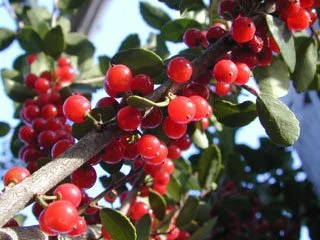 Image 2 of 2
Pot Size: 3 gallon
Native Status: Native Cultivar
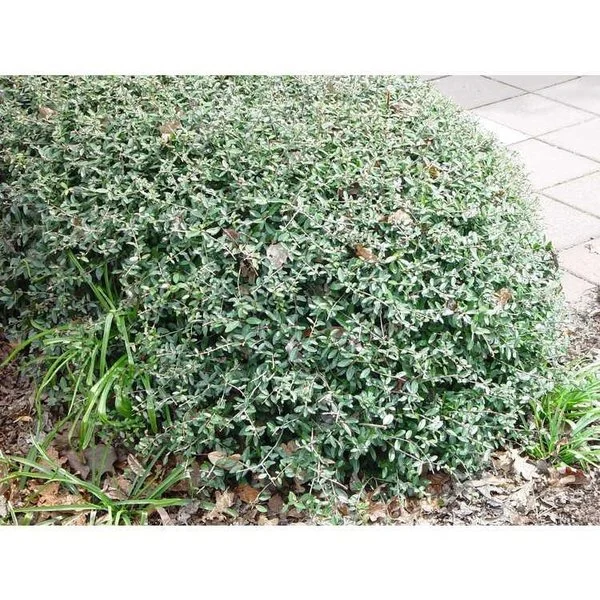
Description: Dwarf yaupon is a compact, rounded shrub that rapidly grows 3 to 5 feet tall and 3 to 6 feet wide. Plant it in average, well-drained, neutral to acidic soils in full sun to partial shade; It will produce more flowers in sun. It is resistant to Phytophthora root rot, drought, salt spray, and deer browsing. Propagate by stem cutting. This holly spreads wider than it is tall and can withstand heavy pruning, thus it can be used for topiary and formal plantings. The dense evergreen leaves make it a good choice for use as a hedge, screen, windbreak or barrier.
Light Exposure: Full Sun – Partial Shade Drought Tolerant: Yes
Soil Moisture: Medium Salt Tolerant: Yes
Mature Height: 3-5 ft Deer Resistant: Yes - High
Mature Width: 3-6 ft
Bloom Color/Bloom Time: Produces small, greenish-white flowers in spring that are solitary or in pairs and are clustered on peduncles in leaf axils. Yaupon flowers from April through May, and its fruit ripens in September and October.
Historical Uses: Ilex vomitoria, commonly known as Yaupon Holly, holds immense historical value as the only known caffeinated plant native to North America. The wood from this plant was used by Native Americans to make arrows. The leaves were used for ceremonial tea. Documented in 1700 by the English botanist Leonard Plukenett.
Wildlife Values: Fruits are attractive and food source for birds and small animals but are rarely produced. Flowers attract bees. Members of the genus Ilex support the following specialized bee: Colletes banksi. The plant is a larval host for Henry’s Elfin butterfly. The structure of the holly makes it a suitable nesting and shelter site for smaller birds.
👉 For more information visit NC Extension Gardener Plant Toolbox
The information provided here is for educational and informational purposes only and is not intended as medical advice. Medicinal plants can have serious side effects and interactions with medications. Consult your healthcare provider before using any herbal remedies, as you are responsible for your own health decisions.
Photo Credits:
1 - A trimmed shrub. JC Raulston Arboretum
2 - Courtesy Joseph A Marcus, Lady Bird Johnson Wildflower Center
Pot Size: 3 gallon
Native Status: Native Cultivar
Description: Dwarf yaupon is a compact, rounded shrub that rapidly grows 3 to 5 feet tall and 3 to 6 feet wide. Plant it in average, well-drained, neutral to acidic soils in full sun to partial shade; It will produce more flowers in sun. It is resistant to Phytophthora root rot, drought, salt spray, and deer browsing. Propagate by stem cutting. This holly spreads wider than it is tall and can withstand heavy pruning, thus it can be used for topiary and formal plantings. The dense evergreen leaves make it a good choice for use as a hedge, screen, windbreak or barrier.
Light Exposure: Full Sun – Partial Shade Drought Tolerant: Yes
Soil Moisture: Medium Salt Tolerant: Yes
Mature Height: 3-5 ft Deer Resistant: Yes - High
Mature Width: 3-6 ft
Bloom Color/Bloom Time: Produces small, greenish-white flowers in spring that are solitary or in pairs and are clustered on peduncles in leaf axils. Yaupon flowers from April through May, and its fruit ripens in September and October.
Historical Uses: Ilex vomitoria, commonly known as Yaupon Holly, holds immense historical value as the only known caffeinated plant native to North America. The wood from this plant was used by Native Americans to make arrows. The leaves were used for ceremonial tea. Documented in 1700 by the English botanist Leonard Plukenett.
Wildlife Values: Fruits are attractive and food source for birds and small animals but are rarely produced. Flowers attract bees. Members of the genus Ilex support the following specialized bee: Colletes banksi. The plant is a larval host for Henry’s Elfin butterfly. The structure of the holly makes it a suitable nesting and shelter site for smaller birds.
👉 For more information visit NC Extension Gardener Plant Toolbox
The information provided here is for educational and informational purposes only and is not intended as medical advice. Medicinal plants can have serious side effects and interactions with medications. Consult your healthcare provider before using any herbal remedies, as you are responsible for your own health decisions.
Photo Credits:
1 - A trimmed shrub. JC Raulston Arboretum
2 - Courtesy Joseph A Marcus, Lady Bird Johnson Wildflower Center