 Image 1 of 2
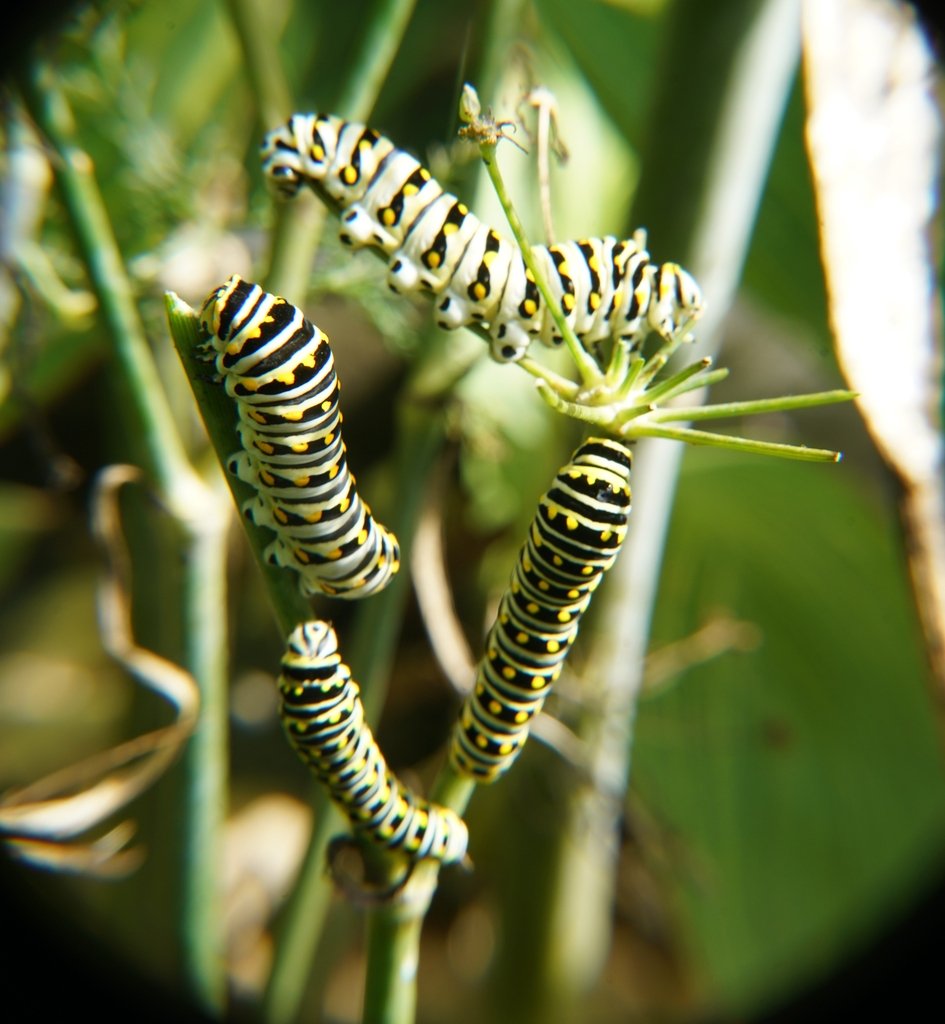 Image 2 of 2
Pot Size: 1 quart
Native Status: Non-native
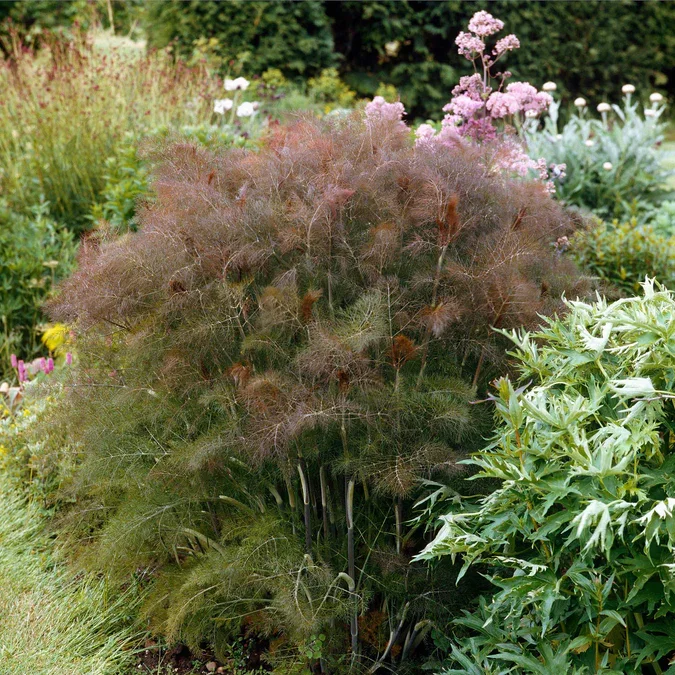
Description: Fennel is an evergreen, herbaceous perennial, normally grown as an annual, with flowers and leaves that have a sweet, mildly anise or licorice flavor. The flowers bloom in summer and are often used in egg and fish dishes. Aromatic seeds are also used in cakes and breads. It has an upright, branching habit and can grow 3 to 5 feet high with aromatic, yellow-green leaves and tiny yellow flowers. The flowers are very attractive to butterflies and fennel is a larval plant for certain swallowtail butterflies.
Light Exposure: Full sun Drought Tolerant: Yes
Soil Moisture: Moist Well drained Salt Tolerant: Moderate
Mature Height: 4 ft – 6 ft Deer Resistant: Yes
Mature Width: 1 ft 6 in – 3 ft 3 in
Bloom Color/Bloom Time: Tiny yellow flowers blooming June to August
Historical Uses: Fennel reached the Americas in the 17th century. Known for its culinary, medicinal, and symbolic properties. Historically, it was used by Egyptians, Greeks, and Romans as food, medicine (digestive aid), and to boost courage in warriors. In the Middle Ages, it was hung over doors to repel evil spirits.
Wildlife Values: Bronze Fennel is a high-value, aromatic, and ornamental perennial for wildlife gardens, acting as a crucial caterpillar host plant for Black Swallowtail butterflies and a "pollinator magnet" for bees, hoverflies, and beneficial wasps. Its tall, feathery, bronze-red foliage provides summer-long nectar, while its late-season seeds feed birds.
👉 For more information visit NC Extension Gardener Plant Toolbox
The information provided here is for educational and informational purposes only and is not intended as medical advice. Medicinal plants can have serious side effects and interactions with medications. Consult your healthcare provider before using any herbal remedies, as you are responsible for your own health decisions.
Photo Credits:
1- Courtesy of Eden Brothers
2- Bronze fennel denuded by Swallow Tail caterpillars (recovered) Chatham County Lucille Zane CC BY-ND 4.0
Pot Size: 1 quart
Native Status: Non-native
Description: Fennel is an evergreen, herbaceous perennial, normally grown as an annual, with flowers and leaves that have a sweet, mildly anise or licorice flavor. The flowers bloom in summer and are often used in egg and fish dishes. Aromatic seeds are also used in cakes and breads. It has an upright, branching habit and can grow 3 to 5 feet high with aromatic, yellow-green leaves and tiny yellow flowers. The flowers are very attractive to butterflies and fennel is a larval plant for certain swallowtail butterflies.
Light Exposure: Full sun Drought Tolerant: Yes
Soil Moisture: Moist Well drained Salt Tolerant: Moderate
Mature Height: 4 ft – 6 ft Deer Resistant: Yes
Mature Width: 1 ft 6 in – 3 ft 3 in
Bloom Color/Bloom Time: Tiny yellow flowers blooming June to August
Historical Uses: Fennel reached the Americas in the 17th century. Known for its culinary, medicinal, and symbolic properties. Historically, it was used by Egyptians, Greeks, and Romans as food, medicine (digestive aid), and to boost courage in warriors. In the Middle Ages, it was hung over doors to repel evil spirits.
Wildlife Values: Bronze Fennel is a high-value, aromatic, and ornamental perennial for wildlife gardens, acting as a crucial caterpillar host plant for Black Swallowtail butterflies and a "pollinator magnet" for bees, hoverflies, and beneficial wasps. Its tall, feathery, bronze-red foliage provides summer-long nectar, while its late-season seeds feed birds.
👉 For more information visit NC Extension Gardener Plant Toolbox
The information provided here is for educational and informational purposes only and is not intended as medical advice. Medicinal plants can have serious side effects and interactions with medications. Consult your healthcare provider before using any herbal remedies, as you are responsible for your own health decisions.
Photo Credits:
1- Courtesy of Eden Brothers
2- Bronze fennel denuded by Swallow Tail caterpillars (recovered) Chatham County Lucille Zane CC BY-ND 4.0